📅 21 September 2026
A 2026 guide by Pure
Docs Business Consultant Services
Umm Ramool sits a few
minutes from Dubai International Airport, wedged between Airport Road and Nad
Al Hamar Road, and that single fact explains almost everything about why it has
become one of Dubai's busiest districts for warehousing, logistics, automotive,
and trading companies. It's also home to the Dubai Airport Free Zone (DAFZA),
which means anyone planning a business setup in Umm Ramool Dubai actually has
two distinct paths to choose from: a Dubai Mainland (DED) license operating
from the area's commercial buildings and warehouses, or a DAFZA free zone
license inside the airport-adjacent zone itself. This guide covers both
options, backed by real numbers.
Before the costs, it's
worth understanding what makes this location different from other Dubai
commercial districts:
•
Airport proximity: Umm Ramool borders DXB and Dubai Cargo
Village, making it the natural home for air-freight-dependent trading, courier,
and logistics operations.
•
Road connectivity: Direct access to Airport Road (D89), Nad Al
Hamar Road (D62), and Sheikh Rashid Road links the area to Downtown Dubai,
Dubai Marina, and the Northern Emirates without detours.
•
Warehouse and showroom density: The area already hosts
established automotive showrooms, spare-parts traders, and mid-size logistics
warehouses, giving new entrants an existing ecosystem of suppliers, customs
agents, and freight forwarders.
•
Dual jurisdiction: You can license a company as DED mainland
(trading anywhere in the UAE) or as a DAFZA free zone entity (100% foreign
ownership, 0% corporate tax on qualifying income, faster customs clearance).
•
Dubai CommerCity nearby: The adjoining e-commerce free zone has
pulled fulfilment and last-mile delivery demand into the wider Umm Ramool
corridor, keeping commercial rents firm even as other warehouse districts have
softened.
Five activity
categories dominate company formation requests in this district:
General storage, cold
storage, bonded/customs warehousing, and 3PL fulfilment operations, usually
licensed under a Trading or Industrial license with a warehouse lease attached
(a licensing prerequisite, not optional).
Freight forwarding,
customs clearance, courier and last-mile delivery, and supply-chain management
companies, drawn by the airport and Cargo Village access.
New and used car
trading, spare parts import/export, auto accessories, and light vehicle-service
operations, clustered around the area's established auto-trade zone.
Import-export of
electronics, garments, FMCG, building materials, and other commodities,
typically under a General Trading or single-activity Trading license depending
on product range.
Packaging, assembly,
light processing, and similar activities that need an Industrial license and
warehouse-grade premises rather than a standard office.
If your business fits
more than one of these, note that a single license can usually bundle related
activities (e.g., trading + warehousing) rather than requiring two separate
entities, a detail worth confirming with a consultant before you pay for a second
license unnecessarily.
Choosing between
jurisdictions is the single biggest cost decision you'll make. This
guide provides a complete breakdown of both routes.
|
Cost Item |
Typical
Range (AED) |
|
Trade license
(Trading/Commercial) |
12,000 -
20,000 |
|
Industrial
license |
15,000 -
25,000 |
|
Initial
approval & name reservation |
1,000 - 2,000 |
|
MOA / local
service agent fee (if applicable) |
3,000 - 8,000 |
|
Warehouse/office
lease (Ejari-registered, annual) |
45,000 -
220,000+ |
|
Establishment
card |
2,000 - 3,000 |
|
Visa (per
person, incl. medical & Emirates ID) |
3,500 - 7,000 |
A modest mainland
trading setup with a small warehouse in Umm Ramool commonly lands between AED
90,000 and AED 180,000 in year one, with rent as the single biggest variable:
2,000-2,500 sq. ft. warehouse units in the area have recently rented in the AED
200,000-220,000/year range, reflecting the district's above-average demand.
|
Cost Item |
Typical
Range (AED) |
|
Registration
fee |
20,000 |
|
Service /
Trading / Industrial license |
15,000 |
|
General
Trading license |
40,000 |
|
Establishment
card |
650 |
|
Chamber of
Commerce fee |
2,200 |
|
Office lease
(per sq.m, 3-yr agreement) |
~1,850/sq.m +
12.5% service charge |
|
Warehouse
(light industrial units) |
~1,000/sq.m +
10% service charge |
|
Employee visa |
3,510 - 5,010 |
A basic DAFZA service
or trading license with a small smart-desk office and one visa typically runs
AED 55,000-85,000 in year one; a General Trading license with the mandatory 50
sq. m minimum office and AED 500,000 share capital deposit pushes total setup
closer to AED 95,000-150,000; and a full warehouse or industrial setup can
reach AED 215,000-340,000+ once lease and multiple visas are included.
•
Pick mainland if you need to trade freely across the UAE local
market, supply government tenders, or operate multiple retail/showroom
touchpoints.
•
Pick DAFZA free zone if your business is primarily
import-export, air-cargo dependent, or you want 100% foreign ownership with 0%
tax on qualifying income and don't need direct UAE local-market trading rights
(this can be added via a dual-license or mainland branch later).
If your longer-term
plan includes UAE-wide retail or distribution rights, a Business setup in
Dubai Mainland structure is usually the more future-proof route, and it can
still operate a warehouse or office out of Umm Ramool.
1.
Choose your jurisdiction and legal structure: Mainland
LLC/FZ-LLC, DAFZA FZE/FZCO, or a branch of an existing company.
2.
Select your business activity(ies): this determines license type
and whether external approvals (e.g., from Dubai Municipality for warehousing,
or RTA for automotive) are needed.
3.
Reserve a trade name and get initial approval from DED or DAFZA.
4.
Secure your premises: a registered lease (Ejari for mainland,
DAFZA-approved lease for free zone) is mandatory before license issuance; this
is also where activity-specific requirements like loading bays, ceiling height,
or fire safety come in for warehousing and industrial licenses.
5.
Submit MOA/license application and pay fees: license,
registration, and knowledge/innovation fees are settled at this stage.
6.
Collect your trade license and establishment card.
7.
Apply for visas: investor and employee visas, including medical
testing and Emirates ID.
8.
Open a corporate bank account and register for VAT/Corporate Tax
if your turnover requires it.
Realistic timelines:
4-8 working days for a straightforward mainland trading license once documents
are in order; 2-4 weeks for DAFZA free zone setups, mainly due to lease
negotiation and external approvals for industrial activities.
•
Corporate Tax registration and compliance: even DAFZA's 0% rate
only applies to “qualifying income” under Qualifying Free Zone Person (QFZP)
rules; non-qualifying income is taxed at 9%, and audited financials are
required regardless.
•
Service charges on leases: both mainland and free zone warehouse
leases in Umm Ramool typically add 10-12.5% service charges on top of quoted
rent, a detail that changes your real annual cost by tens of thousands of
dirhams.
•
License renewal: expect renewals at 70-100% of your original
license fee annually, plus late-renewal penalties of up to AED 200/day if
missed.
•
Activity-specific approvals: automotive trading (RTA),
food-adjacent warehousing (Dubai Municipality), and industrial/manufacturing
activities (civil defense, environmental approvals) can each add processing
time and fees.
How
much does it cost to set up a business in Umm Ramool, Dubai?
Budget roughly AED
55,000-150,000 for a standard DAFZA free zone license (service, trading, or
general trading) or AED 90,000-180,000 for a mainland DED license with a small
warehouse or office, in year one. Warehouse-heavy or industrial setups can
exceed AED 200,000+ once lease and multiple visas are factored in.
Is
Umm Ramool a free zone or mainland area?
Both. Umm Ramool is a
mixed-use mainland district that also contains the Dubai Airport Free Zone
(DAFZA), so businesses can license as either DED mainland or DAFZA free zone
entities depending on their trading needs.
What
business activities are most common in Umm Ramool?
Warehousing and
storage, logistics and freight forwarding, automotive trading and spare parts,
general/specialized trading, and light industrial or assembly operations.
Can I
get 100% foreign ownership for a business in Umm Ramool?
Yes. DAFZA free zone
companies offer 100% foreign ownership by default, and most mainland business activities
in Dubai now also allow 100% foreign ownership under the UAE's amended
Commercial Companies Law, removing the historical need for a local Emirati
sponsor for most activities.
How
long does business setup take in Umm Ramool?
A mainland trading license
typically takes 4-8 working days once documents and premises are finalized.
DAFZA free zone setups usually take 2-4 weeks, largely due to lease
finalization and any activity-specific external approvals.
Pure Docs Business Consultant Services handles the full setup process (jurisdiction
selection, licensing, warehouse/office leasing, visas, and compliance) for
warehousing, logistics, automotive, trading, and industrial businesses in Umm
Ramool and across Dubai. If mainland trading rights fit your business model
better, our Business setup in Dubai Mainland service can also get you licensed with full
UAE market access.
September 21, 2026
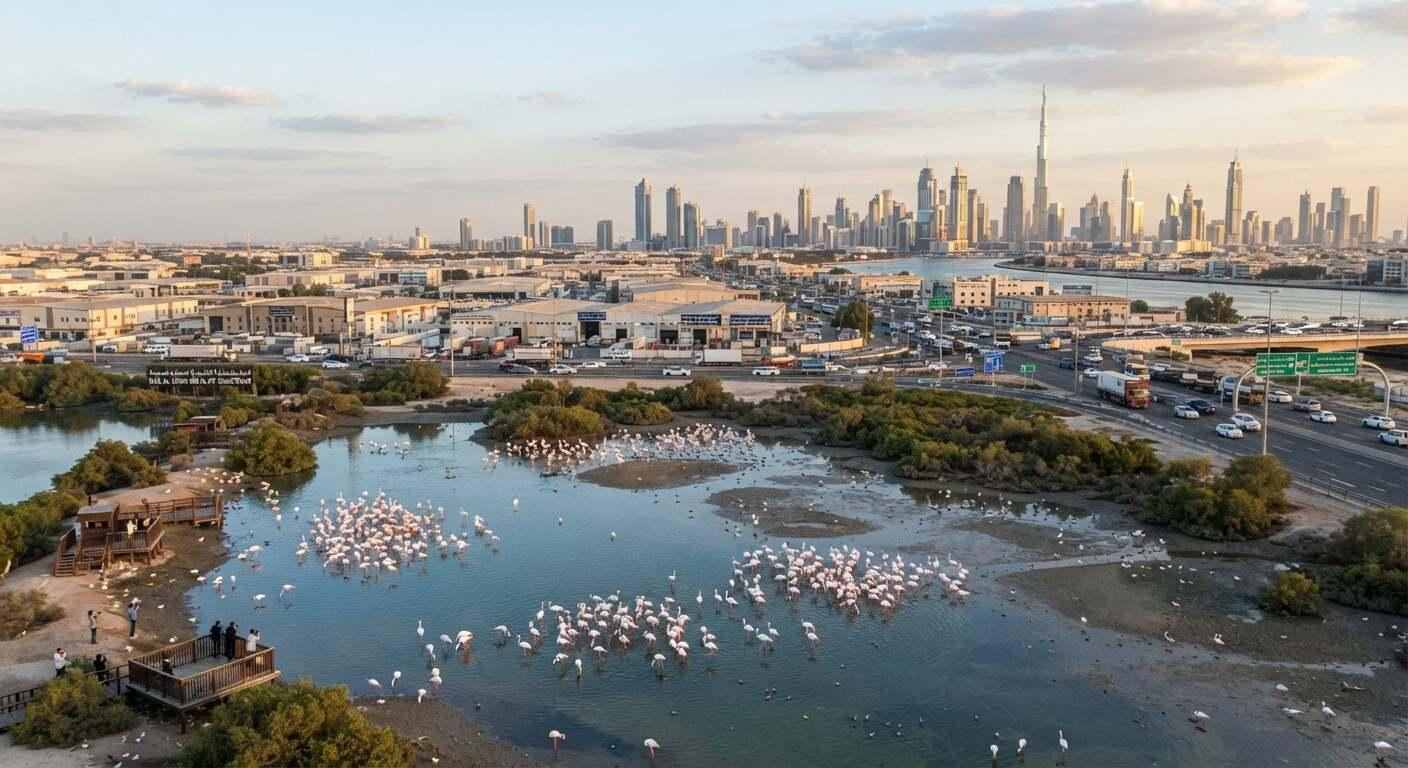
Set up a business in Ras Al Khor, Dubai: licenses, approvals, warehouse costs, and timelines for aut...
September 17, 2026
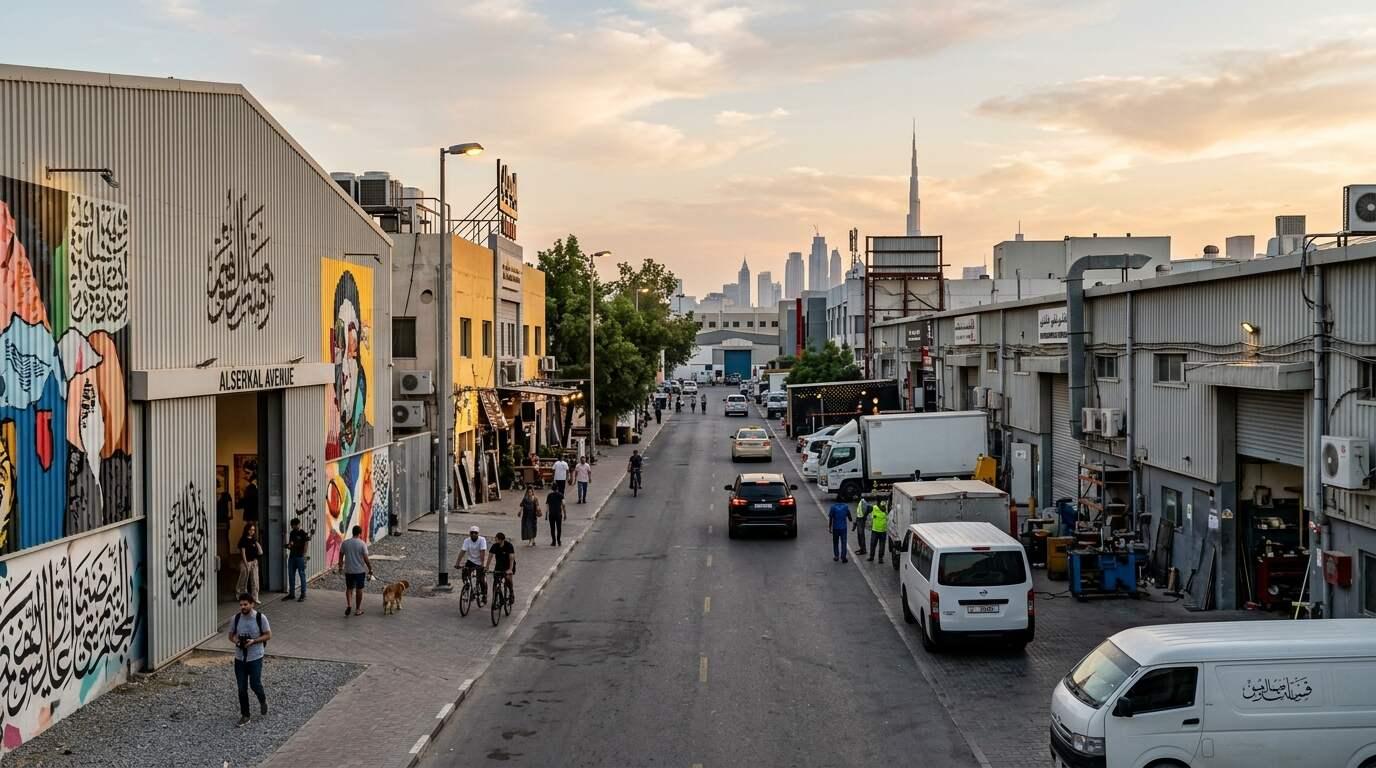
A practical guide to business setup in Al Quoz Dubai zones, licenses, real rent data, approval timel...
September 17, 2026
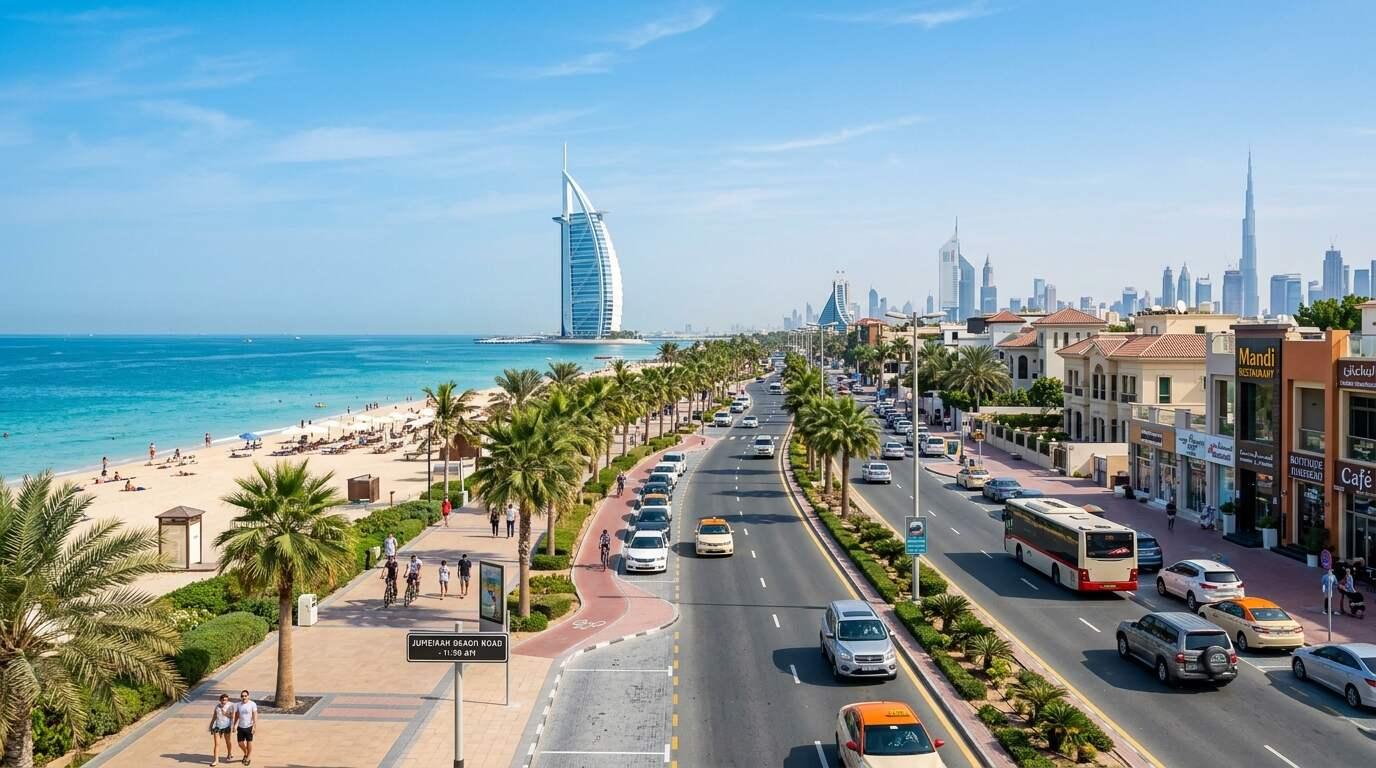
Planning Business Setup on Jumeirah Beach Road? Get licence types, real costs, approvals, and a step...

Welcome to PureDocs!
Which service are you looking for today?



 +971 50 115 4886
 info@puredocsservices.com